To freeze or not to freeze? Sometimes, the answer is not quite obvious. Here is a list of nine items that you should avoid freezing.
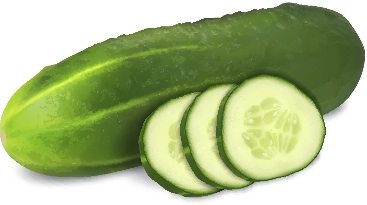
1. Cucumbers
Cucumbers have a high moisture content. Because of this, when they are frozen whole, they will become mushy when you try to defrost them. If you want to preserve your cucumbers, slice them up and add some vinegar. Then when you freeze them they will retain their texture.

2. Yoghurt
Freezing yoghurt causes it to separate, developing a clumpy texture and an acidic taste.

3. Watermelon
Watermelon, like cucumber, contains a lot of moisture. The texture changes drastically when frozen and thawed, leaving the taste unpalatable.

4. Eggs
Eggs in the shell should not be frozen. Eggs, when frozen, will expand and crack their shells.

5. Celery
Freezing celery not only changes the texture but the color, leaving it limp, brownish, and water-logged.

6. Cheese
Hard cheese becomes very crumbly and grainy when placed in the freezer, while the moisture in soft cheese will crystalize the texture when frozen. In both cases, this makes the cheese inedible.

7. Lettuce
The leaves of lettuce are full of water (about 96%). When frozen it becomes mushy because of the high moisture content.

8. Fried Foods
Fried foods lose their crispy texture and become soggy when frozen and thawed. Fried food is best eaten soon after it’s purchased or prepared.

9. Potatoes
Potatoes are a high water content vegetable. Frozen potatoes end up being mushy and soft when thawed. If you want to freeze potatoes, it is best to cook them partially (blanching) first.

Featured photo credit: Brian Chan via images.unsplash.com
Love this infographic?
Read full content
Source: Life Hack